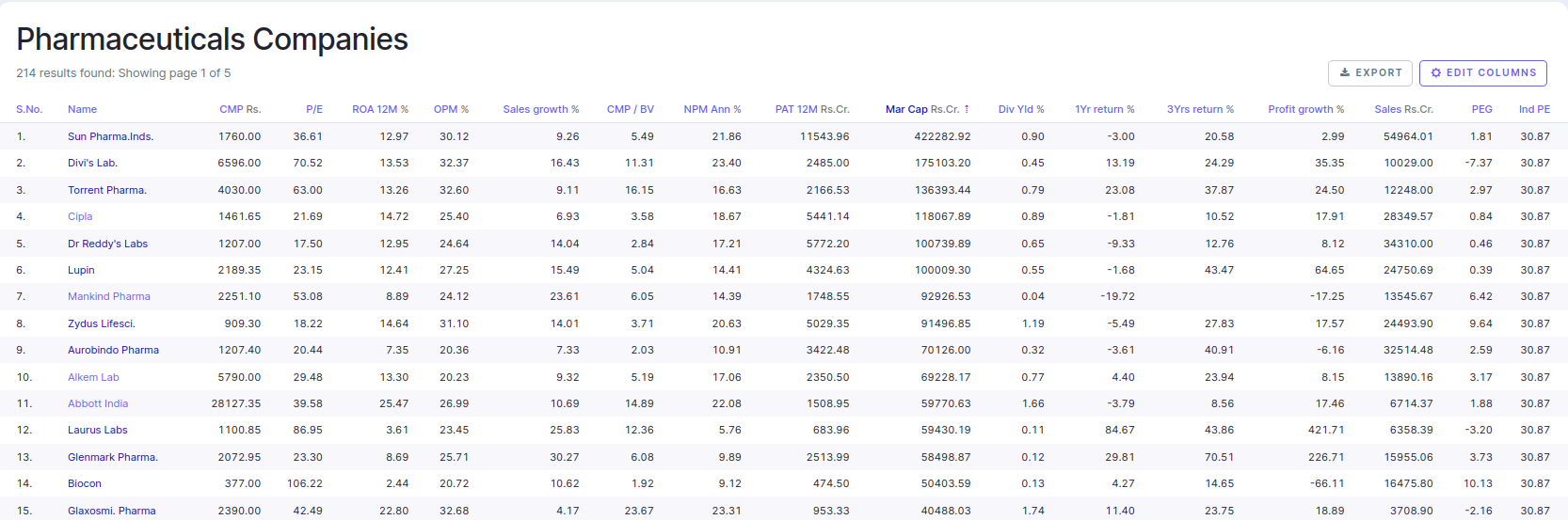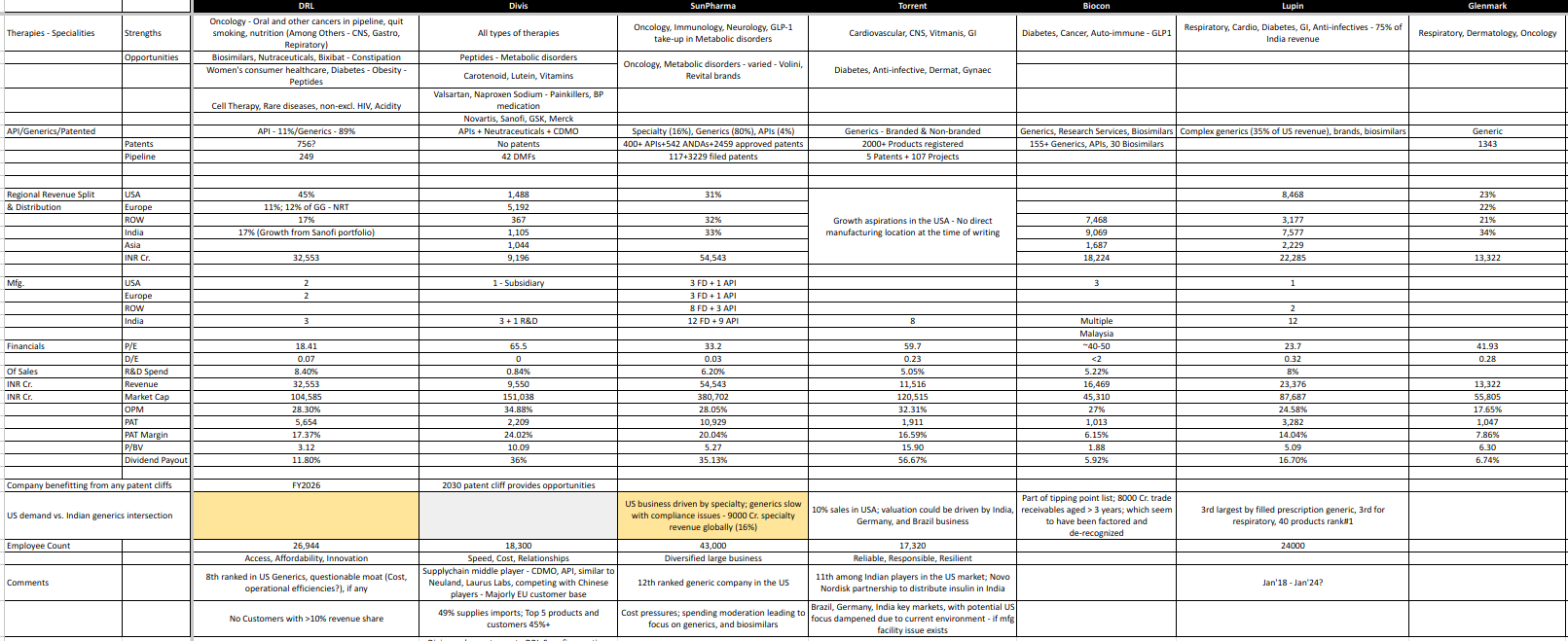



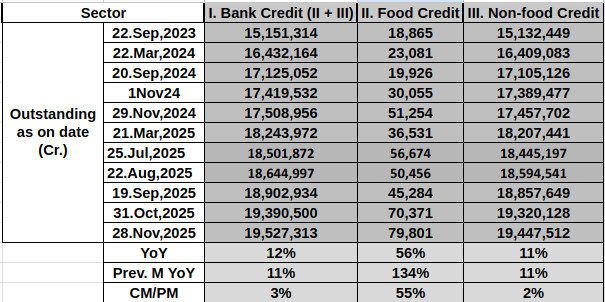
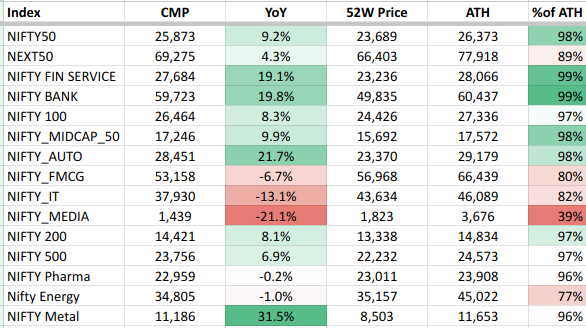
Other than the forecast in the section below the table; the budget was mostly inline with expectation of spending in Defense and Infrastructure. Key thing to watch-out for in the defense spending is that while it may look like higher allocation towards defense modernization and infrastructure build out, a large section of the cost is towards personnel cost (For more factual evidence, watch Dhurandhar 2/Special Ops). Other specific sectoral investment spend was to promote semi-conductors, pharmaceuticals, and power (more specifically power grid corporation named within the budget document)
I was, however, wrong in my forecast on capital gains tax reduction for the shock absorbers of the economy, and instead increase in the Securities Transaction Tax penalizing trading.
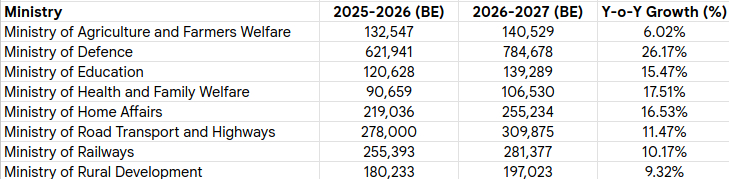 Final FY2026 Budget Summary
Forecast:
Estimated sources and value of revenue:
(Values in lk.cr.) Above is an AI-generated estimate of ~35–39 lk.cr. Expected to be collected in FY26 (Impact of GST reforms on reduced collections) baked in above. Source: Grok
Revenue is expected to be flat; ongoing stabilization of direct and indirect taxation is expected.
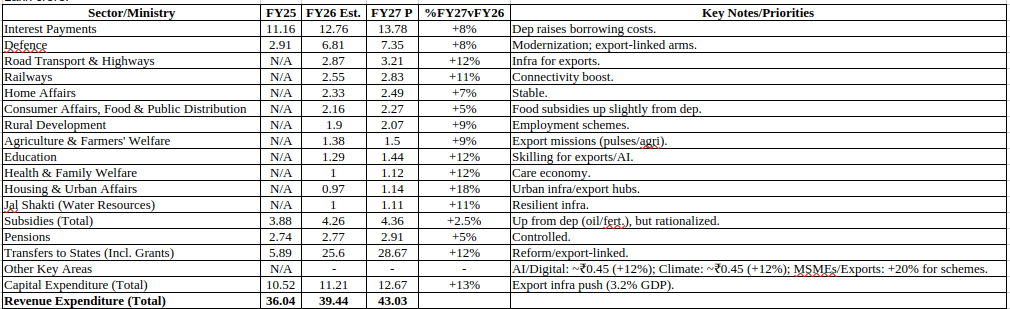
(Values in lk.cr.)
Below are points to consider based on ongoing and announced spending priorities:
- Debt control — Interest payouts remain 30%+ of total budget. This will be in line with fiscal deficit (4–4.3%) and inflation (2–2.5%) targets factoring in 100bps rate cuts through the year.
- Road, Transport, Highways, Railways will remain a priority to drive consumption. Allocation may remain flat (or +5%), with focus on completing existing projects.
- This EY report calls for digitization and simplification of customs documentation and toll transfers to improve tax compliance.
- Subsidies (MNREGA already being repackaged) may come with reductions.
- Transfers to states may increase for rural and SME/MSME programs; subsidy rationalization may reduce allocation to ~7–8%.
- Export incentives to supplement US tariffs on capital goods, textiles, etc., and compensate for import rebate waivers from China.
- Investment in data-centers and AI themes may be partially funded through PLI schemes and FDI encouragement.
Consumption Lifecycle
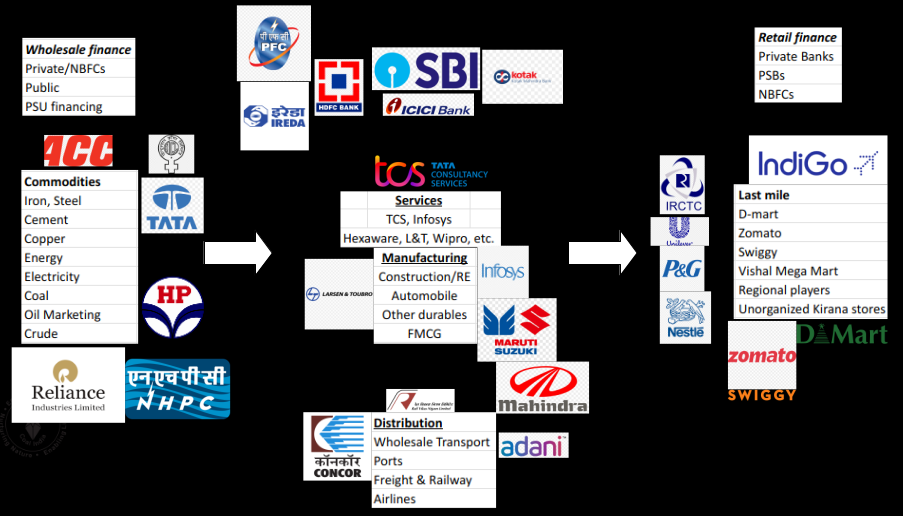
Given spending priorities, how will the government source incremental revenue?
- Capital Gains Tax — Good chances of simplification: higher STCG, lower LTCG.
- Foreign Investment (Securities) — Government may tax foreign outflows differently; may also affect GIFT city flows.
- Foreign Direct Investment — Tax rules may be tweaked to encourage data-center and AI investments.
- Customs and Trade taxation — Depreciating INR makes exports more price-competitive; trade taxation and digitisation reforms likely.
- EPFO & NPS — Further loosening of investment thresholds to provide liquidity in shallow corporate bond markets.